
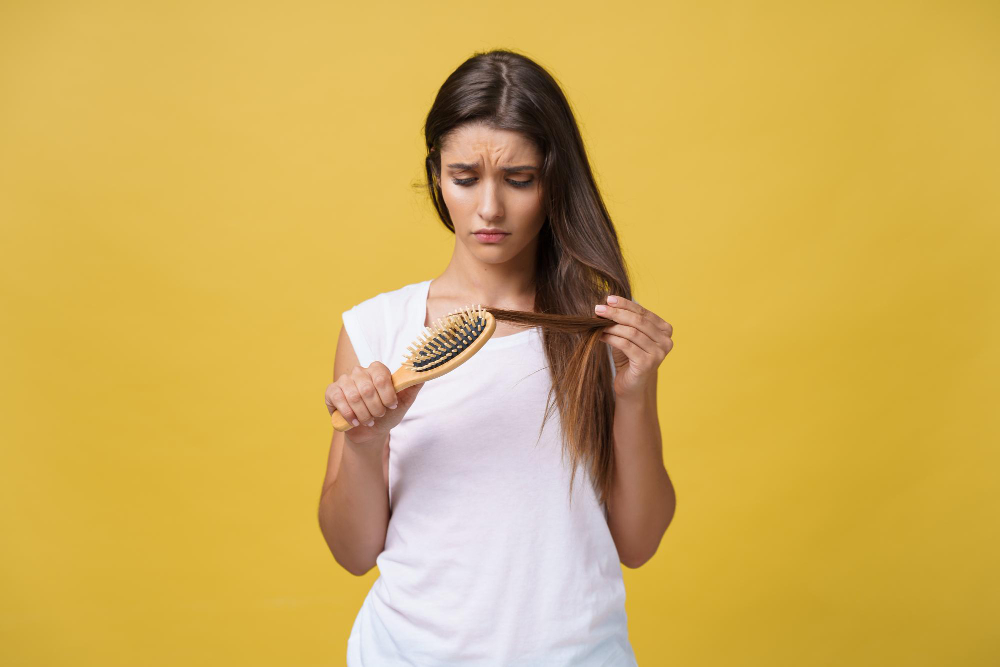
Introduction: What Is Hair Thinning vs Hair Shedding?
Many people worry about losing hair. However, it is important to know the difference between hair thinning and hair shedding. Hair thinning means your hair becomes less dense over time. On the other hand, hair shedding is when you lose more hair than usual, but new hair often grows back. Understanding hair thinning vs hair shedding helps you find the right solution. If you know what is happening, you can take better care of your hair.
Symptoms: How to Recognize Hair Thinning vs Hair Shedding
It can be hard to tell if you have hair thinning or just hair shedding. Yet, there are some signs to watch for. For example, hair thinning often happens slowly. You may notice your scalp showing more or your ponytail feeling thinner. In contrast, hair shedding usually means you see more hair on your pillow, brush, or shower drain. However, your hair may still look full. Knowing these signs can help you spot the difference between hair thinning and hair shedding.
Causes: What Leads to Hair Thinning and Hair Shedding?
There are many hair loss causes. Some are different for hair thinning and hair shedding. For hair thinning, genetics often play a big role. Aging, hormonal changes, and some medical conditions can also cause thinning. In contrast, hair shedding is often linked to stress, illness, or changes in diet. Sometimes, shedding happens after pregnancy or a major life event. Knowing the cause can help you learn how to stop hair thinning or manage shedding.
Diagnosis: How Dermatologists Tell the Difference
Dermatologists use several ways to find out if you have hair thinning or hair shedding. First, they ask about your health and family history. Next, they look at your scalp and hair. Sometimes, they do a “pull test” to see how much hair comes out. Blood tests may also help find medical causes. Because each case is unique, a doctor’s exam is important. This helps you get the right treatment for your hair problem.
Treatment Options: Solutions for Hair Thinning and Hair Shedding
There are many ways to treat hair thinning and hair shedding. The best option depends on the cause. For hair thinning, treatments may include:
For hair shedding, the main goal is to treat the cause. Often, hair grows back once the trigger is gone. For example, if stress caused shedding, stress management can help. Eating a balanced diet and treating any illness also supports hair regrowth. According to the American Academy of Dermatology, most shedding is temporary.
Lifestyle Guidance: Practical Tips for Healthy Hair
Simple changes can help keep your hair healthy. For instance, use a gentle shampoo and avoid harsh chemicals. Try not to pull or style your hair too tightly. Eating foods rich in protein, iron, and vitamins also supports hair growth. If you use heat tools, set them on low. Additionally, regular scalp massages may boost blood flow to your hair roots. These steps can help reduce both hair thinning and hair shedding.
Prevention: How to Reduce the Risk of Hair Loss
While not all hair loss can be stopped, you can lower your risk. For example, avoid tight hairstyles that pull on your hair. Protect your scalp from sun damage by wearing a hat. If you notice more hair loss than usual, see a doctor early. Early action can prevent further thinning or shedding. Also, regular health check-ups can catch problems like thyroid issues before they affect your hair.
Conclusion
In summary, knowing the difference between hair thinning and hair shedding is key. Each has its own causes, symptoms, and solutions. With the right care, you can protect your hair and boost your confidence. Consult a dermatologist at VK Dental Hair and Aesthetics for personalized advice on hair health.