
Introduction
Malocclusion is a common dental problem. It means your teeth are not aligned properly when you bite. Because of this, you may notice crooked teeth or a poor bite. Many people have some form of malocclusion. However, some cases are more severe and need dental care. In this blog, you will learn about malocclusion, its causes, symptoms, diagnosis, and treatment. You will also find helpful oral health tips.
What is Malocclusion?
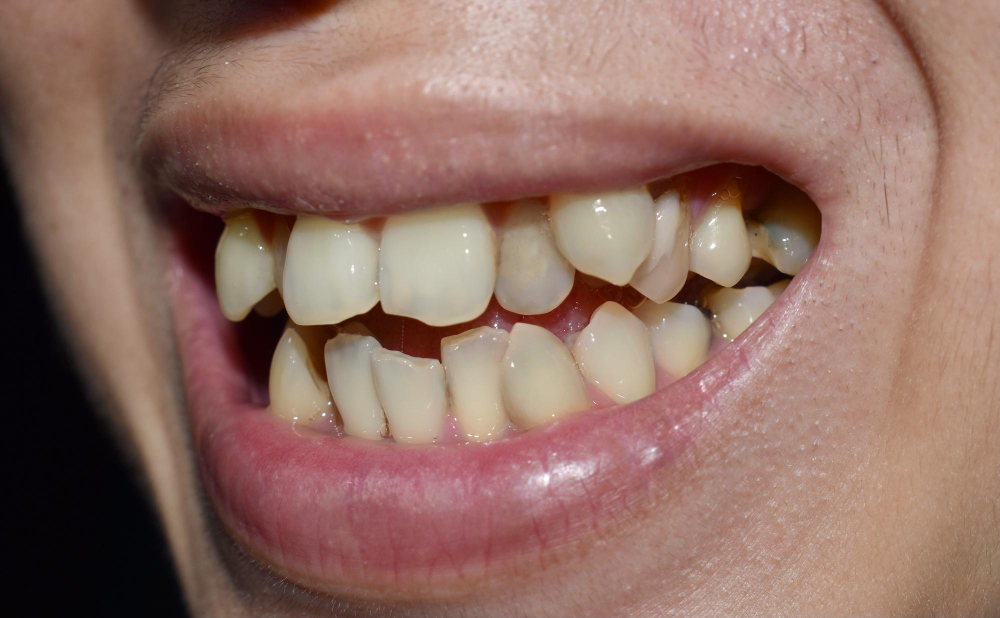
Malocclusion is a term dentists use for misaligned teeth or jaws. When your upper and lower teeth do not fit together well, it is called malocclusion. There are different types, such as overbite, underbite, crossbite, and open bite. Each type affects the way you chew, speak, and smile. Although many cases are mild, some can cause discomfort or health issues.
Common Causes of Malocclusion
There are several reasons why malocclusion happens. Sometimes, it runs in families. Other times, it develops from habits or health problems. Here are some common causes:
Because many factors can cause malocclusion, it is important to visit a dentist regularly.
Symptoms and Signs
Malocclusion can show up in different ways. While some people notice only minor changes, others may have more obvious symptoms. Common signs include:
However, not everyone with malocclusion has symptoms. For this reason, regular dental checkups are important.
How Malocclusion is Diagnosed
Dentists can spot malocclusion during a routine exam. First, they will look at your teeth and jaw. Next, they may ask about your dental history and habits. Sometimes, X-rays or dental impressions are needed. These help the dentist see how your teeth fit together. In some cases, you may be referred to an orthodontist. This is a dentist who specializes in straightening teeth and correcting bites.
Treatment Options for Malocclusion
Treatment depends on how severe the malocclusion is. While mild cases may not need treatment, others do. Here are some common options:
Because every person is different, your dentist will suggest the best plan for you. Early treatment often leads to better results.
Prevention and Oral Health Tips
Although not all cases of malocclusion can be prevented, you can lower your risk. Here are some tips for good oral health:
Because healthy habits start early, teaching children about dental care is important. Even adults benefit from these tips.
Conclusion
Malocclusion is a common dental issue that can affect your bite, speech, and smile. Although some cases are mild, others need dental care. Early diagnosis and treatment can prevent problems later. For the best advice, consult a dental specialist at VK Dental Hair and Aesthetics about malocclusion. Your dentist can help you choose the right treatment and keep your smile healthy.