
Introduction to Dental Implants
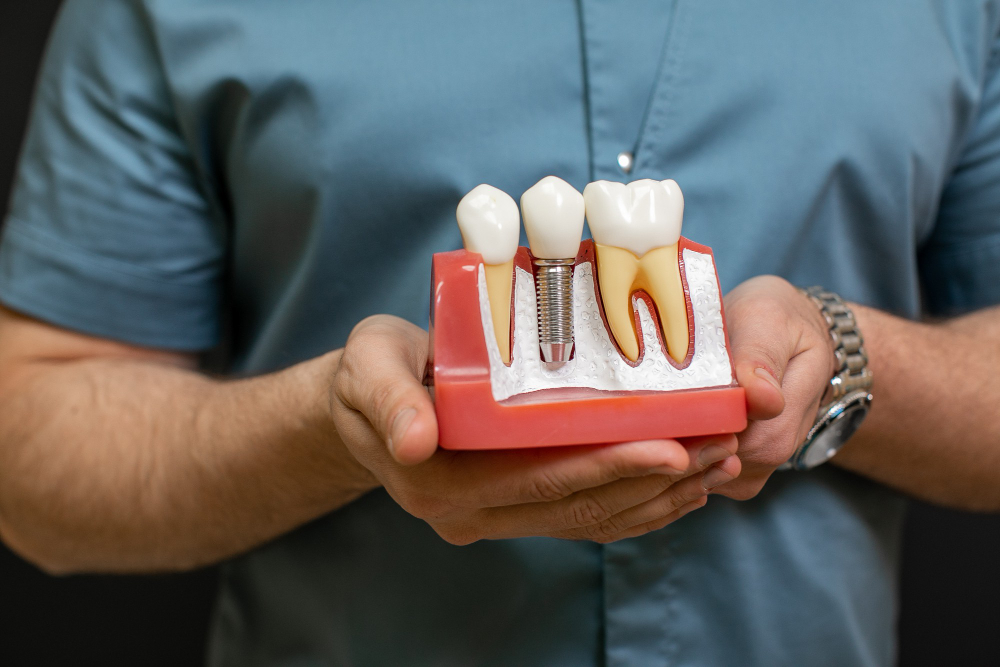
Dental implants are a popular way to replace missing teeth. They look and feel like natural teeth. In fact, dental implants can help you chew, speak, and smile with confidence. Dentists place a small metal post into your jawbone. Then, they attach a crown on top. This crown matches your other teeth. Many people choose dental implants because they are strong and long-lasting. According to the American Dental Association, dental implants have a high success rate. If you are missing one or more teeth, you may wonder if dental implants are right for you.
Benefits of Dental Implants
Dental implants offer many advantages over other tooth replacement options. For example, they:
Additionally, dental implants do not require grinding down nearby teeth. This helps keep your mouth healthy. Many people find that dental implants boost their self-esteem. As a result, they feel more confident in social settings.
Who Is a Candidate for Dental Implants?
Not everyone is a good candidate for dental implants. However, many adults can get them. You may be a good candidate if you:
Sometimes, people with certain health problems may not be able to get dental implants. For instance, uncontrolled diabetes or heavy smoking can affect healing. Your dentist will check your health and mouth before starting the dental implant procedure.
The Dental Implant Procedure: Step-by-Step
The dental implant procedure usually takes several steps. Each step is important for a safe and lasting result. Here is what you can expect:
Throughout the dental implant procedure, your dentist will guide you and answer your questions. Some people may need extra steps, such as bone grafting, if they do not have enough bone.
Risks and Possible Complications
Dental implants are safe for most people. However, like any surgery, there are some risks. These may include:
Most problems are rare and can be treated. According to the CDC, good oral hygiene lowers the risk of infection. If you notice pain, swelling, or bleeding after your dental implant procedure, contact your dentist right away.
Aftercare and Recovery Tips
Proper aftercare helps your dental implants heal and last longer. Here are some tips for dental implant recovery:
Most people return to normal activities within a day or two. However, full healing may take a few months. Your dentist will let you know when your dental implant is ready for use.
Frequently Asked Questions
Conclusion
Dental implants are a safe and effective way to replace missing teeth. They offer many benefits and can improve your quality of life. However, it is important to follow your dentist’s advice for the best results. Consult a dental specialist at VK Dental Hair and Aesthetics for personalized advice.